Chateau Musar, located in Lebanon's Bekaa Valley, is renowned for its distinctive wines that reflect the region's unique terroir. Founded in 1930 by Gaston Hochar, Chateau Musar has become a symbol of resilience, producing wines even during Lebanon's tumultuous periods, including the civil war. The winery is currently managed by the Hochar family, with Serge Hochar, Gaston's son, having played a significant role in its international acclaim.
-
Winemaker: Serge Hochar
-
Farming: Low-yield organic farming practices, untrained bushvines on their own roots at high altitudes.
-
Variety: Obaideh, Merwah, with 5% Cinsault for color.
-
Terroir: Obaideh vineyards in the foothills of the mountains on stony, chalky soils. Merwah vines on the seaward side of Mount Lebanon on calcareous gravels. Vine age between 1920 and 1947, at an altitude of around 1400m.
-
Vinification: Fermented and aged for 6 to 9 months in French oak barrels from the forest of Nevers.
-
Aging: Bottled a year after harvest and released for sale two years later.
-
Tasting Note: In their youth, the wines are salmon pink, smooth, well-balanced, and velvety-textured, with aromas and flavors of peaches, pears, oranges, grapefruit, almonds, wild herbs, and citrus leaves. As they age, they develop mellow, spicy notes and tawny hues.
-
Critic Scores: “Musar’s whites and rosés are less well-known. More’s the pity: both are unusual and superb.” – Andrew Jefford, 'Decanter', January 2004.
-
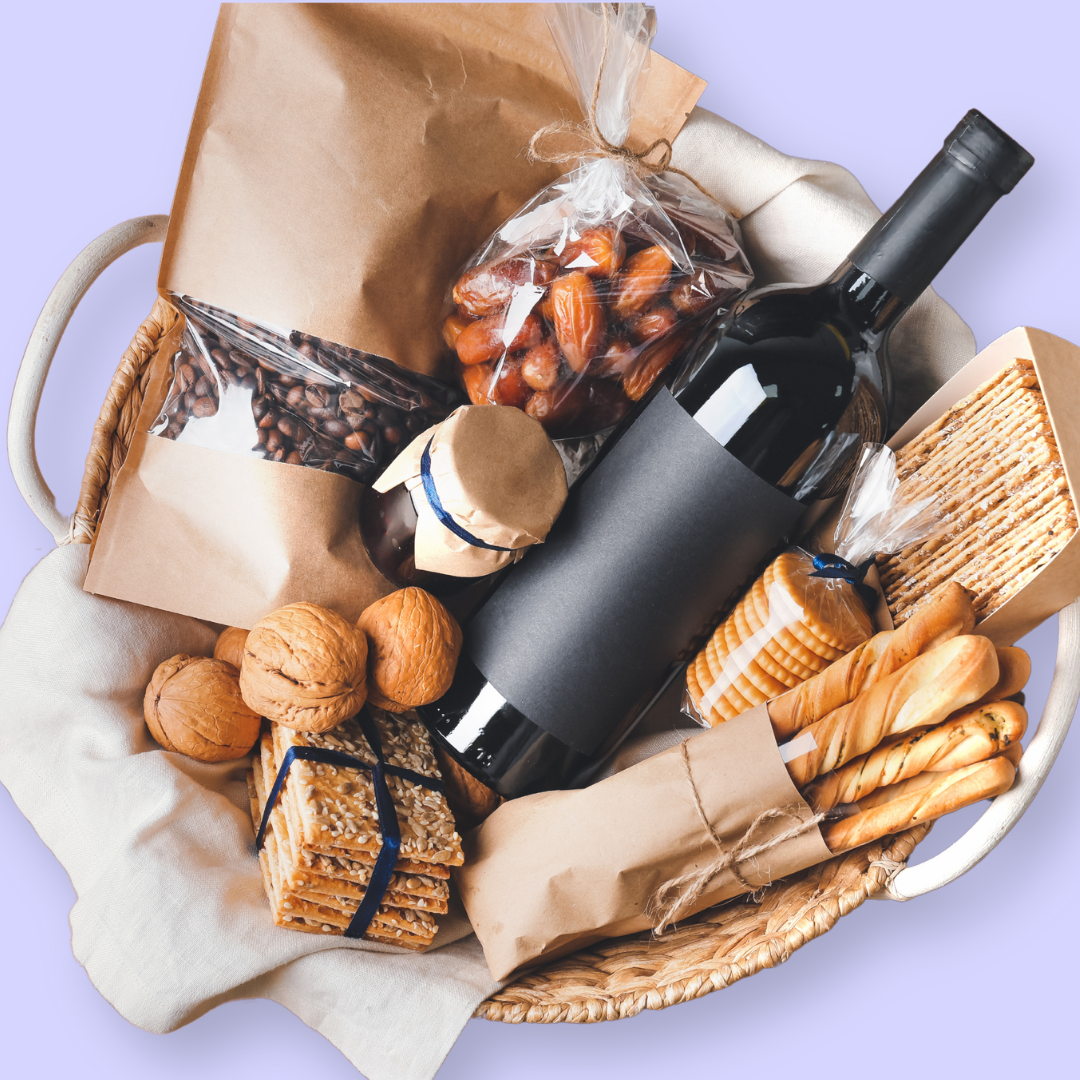
Pairing: Pairs well with canapés, olives, nuts, seafood, and Provençal dishes.
Additional Notes:
-
-
Storage: Must be cellared in darkness, lying on their sides, without unnecessary movement or temperature fluctuations.
-
Opening: For vintages beyond 15 years, use prongs. A tutorial is available on their YouTube page "A Guide to Wine Openers."
-
Decanting and Serving: Best after several hours of breathing time, served 'cellar cool' at 15°C.
From our July 2024 Serious Inquiries Only Bottle Cult Notes:
Château Musar Rosé, Bekaa Valley, Lebanon 2018
The journey of Château Musar began in 1930 when Gaston Hochar established the winery in Lebanon's Bekaa Valley, an lush, mountainous region just a 90-minute drive east of Beirut. This historic valley has a viticultural tradition dating back to the Phoenician era and has seen great empires rise and fall throughout the Mediterranean. Despite numerous obstacles, including the destructive and dangerous 15-year Lebanese Civil War, Château Musar has consistently crafted outstanding wines that embody the distinctive terroir of the Bekaa Valley and the ancient wine culture of Lebanon.
The name Musar comes from the Arabic word M’zar, meaning "place of extraordinary beauty" or "shrine to be visited." The Bekaa Valley, benefits from a Mediterranean climate with hot, dry summers and mild, wet winters, and significant diurnal temperature variations that maintain grape acidity. Vineyards at high altitudes (1,000 to 1,500 meters) experience cooler temperatures that slow ripening, enhancing flavor complexity. The calcareous and limestone-based soils, rich in gravel and stone, offer excellent drainage and promote deep root development, adding to the wines' mineral complexity.
Château Musar achieved global acclaim in the 1970s, particularly after respected wine critic and Master of Wine Michael Broadbent declared their 1967 vintage the top wine at the 1979 Bristol Wine Fair. Under the guidance of Gaston's sons, Serge and Ronald Hochar, the winery's reputation flourished. Serge became renowned for his innovative and natural winemaking methods, showing resilience and dedication to making fine wine even under the threat of bombshells, earning a dedicated worldwide following. Now, Serge’s trusted protégé Tarek Sakr has taken the reins of winemaking, innovating while preserving the traditions established by his predecessor, while Serge and Ronald’s sons run the winery business.
Château Musar makes a very unique still rosé, lightly aged in oak and paying homage to the blended rosés of Champagne—a style that Serge Hochar greatly admired. This rosé isn't produced every year; instead, it is crafted only when the grapes meet the high standards necessary for an elegant blend.
The primary grapes in Château Musar Rosé are Obaideh and Merwah, which are native to the Lebanese mountains and are thought to be related to Chardonnay and Semillon. The Obaideh vines are over 77-100+ years old on stony, chalky soils of the Anti-Lebanon mountain foothills. Meanwhile, the Merwah vines grow on the seaward side of Mount Lebanon, rooted in calcareous gravel soils. These ancient bushvines, still on their original roots, yield very low quantities, about 15 to 25 hectoliters per hectare, making them among the few vineyards in the world of such distinction. A small amount of Cinsault, about 5%, is added to impart a delicate color to the wine.
The grapes are, of course, hand-harvested specifically to make this rosé, and are both fermented and aged in French oak barrels, for up to 9 months before bottling. When young, the wine boasts a beautiful salmon pink hue, offering a smooth, well-balanced, and velvety texture with aromas and flavors of peaches, pears, oranges, grapefruit, almonds, wild herbs, and citrus leaves. As it matures, it takes on deeper, spicy notes and a tawny color. Château Musar intentionally holds back its rosé at least two years in bottle before it is released, as the evolution of these incredible grapes must be experienced. Decant this wine, and allow it to be served at cellar temperature, around 55°F. Pair with tangy, savory foods like marinated and grilled chicken skewers served with garlic sauce and pickles, or a summer vegetable ratatouille, or octopus a la plancha, seasoned with herbs and lemon. — Cara Patricia