This store requires javascript to be enabled for some features to work correctly.
These are the final bottles available—once they're gone, they may be gone for good. Secure your favorites now and discover unique finds before they disappear!
From our July 2021 Bottle Club Notes:
Maître de Chai (May-TRUH de Shay) began as a personal project between friends Marty Winters and Alex Pitts in 2012. We love when winemaking becomes a passion and a career change; before launching MdC, both winemakers were working as chefs in fine dining restaurants, where the two met. During the inception of the project, Marty moved to the Front of House as a sommelier for The Restaurant at Meadowood and The Grand Del Mar after working harvests for Leo Steen Wines. Alex had already been transitioning out of the kitchen and into wine production, working as Assistant Winemaker for Abe Schoener’s Scholium Project. Having such a similar experience and plan for their futures, they teamed up to find long-forgotten vineyards and create wines with an impeccable sense of terroir, typicity, and self.
While Maître de Chai is making a name for itself in the fine wine game (the Stampede Zinfandel is a gorgeous ode to Ridge’s Paul Draper and the Kierkegaard Chenin Blanc is one of the few California Chenins with its heart in the Loire), they still have a little fun here and there. In 2019, they held a few tons of Chenin Blanc aside from the Wilson Vineyard in Clarksburg to create a traditional-method sparkling wine. The juice is settled and aged in a mix of stainless steel tanks and neutral wood barrels, then bottled with a hit of liqueur de tirage to begin a secondary fermentation in the bottle. The wine then lied on its lees for nearly six months before disgorgement. This organic sparkling wine is bone dry (only two grams per liter of residual sugar) and shines with eclectic acidity and a bright, puckering green apple tartness. The short élevage on the lees was a stylistic choice by Pitts and Winters to produce an approachable (and affordable) American sparkling wine that preserves the freshness and stonefruit character that we love so much in Chenin Blanc.
Enjoy nice and cold with french fries, truffle popcorn, oysters on the half shell, and calamari on a warm summer day!
—Cara Patricia
Cistercian nuns has been organically farming their five hectares of vines in Vitorchiano, Lazio, since the early nineties, but it wasn’t until Paolo Bea began advising them in the early 2000’s that their wines gained a larger audience.
Valle dell’Acate is one of Sicily’s most respected family-run estates, known for championing the region’s native varieties and farming some of the island’s oldest vineyards. Located in the southeastern corner of Sicily near Ragusa, the Jacono family has been producing wines here for six generations, with Gaetana Jacono now at the helm. Their focus is on sustainability and authentic expressions of place, with Cerasuolo di Vittoria—the island’s only DOCG—at the heart of their work.
WINEMAKER: Federico Cerelli
FARMING: Sustainable
VARIETIES: 60% Merlot, 40% Cabernet Sauvignon
TERROIR: Castello di Gabbiano is located in the heart of Chianti Classico and has a total of 165 hectares under vine, mainly in the municipality of San Casciano in Val di Pesa.
AGING: Aged in barrique, combo of new and used.
TASTING NOTES: Juicy red cherry, plum, and wild berry with hints of Mediterranean herbs, rose, and subtle spice; medium-bodied with bright acidity, silky tannins, and a clean, mineral-lined finish.
FOOD PAIRINGS: Pasta al pomodoro, grilled lamb skewers, roast chicken with herbs, pecorino toscano, Tuscan salumi.
Genevieve is the personal project of Melissa Nelsen, who launched her Cap Classique label in 2008 with a focus on site-expressive, traditionally-made sparkling wines from the Overberg Highlands. Sourcing Chardonnay from the cool-climate Bot River region, Genevieve has earned acclaim as one of South Africa’s finest expressions of méthode traditionnelle Blanc de Blancs.
Federico (Fred) loves herbs. Jerbis is Friulian dialect for herbs. After attending perfume school he spent years testing multiple extraction methods on each botanical to find the best for each. This vermouth has flavors from 25 different botanicals most of which are locally grown and foraged.
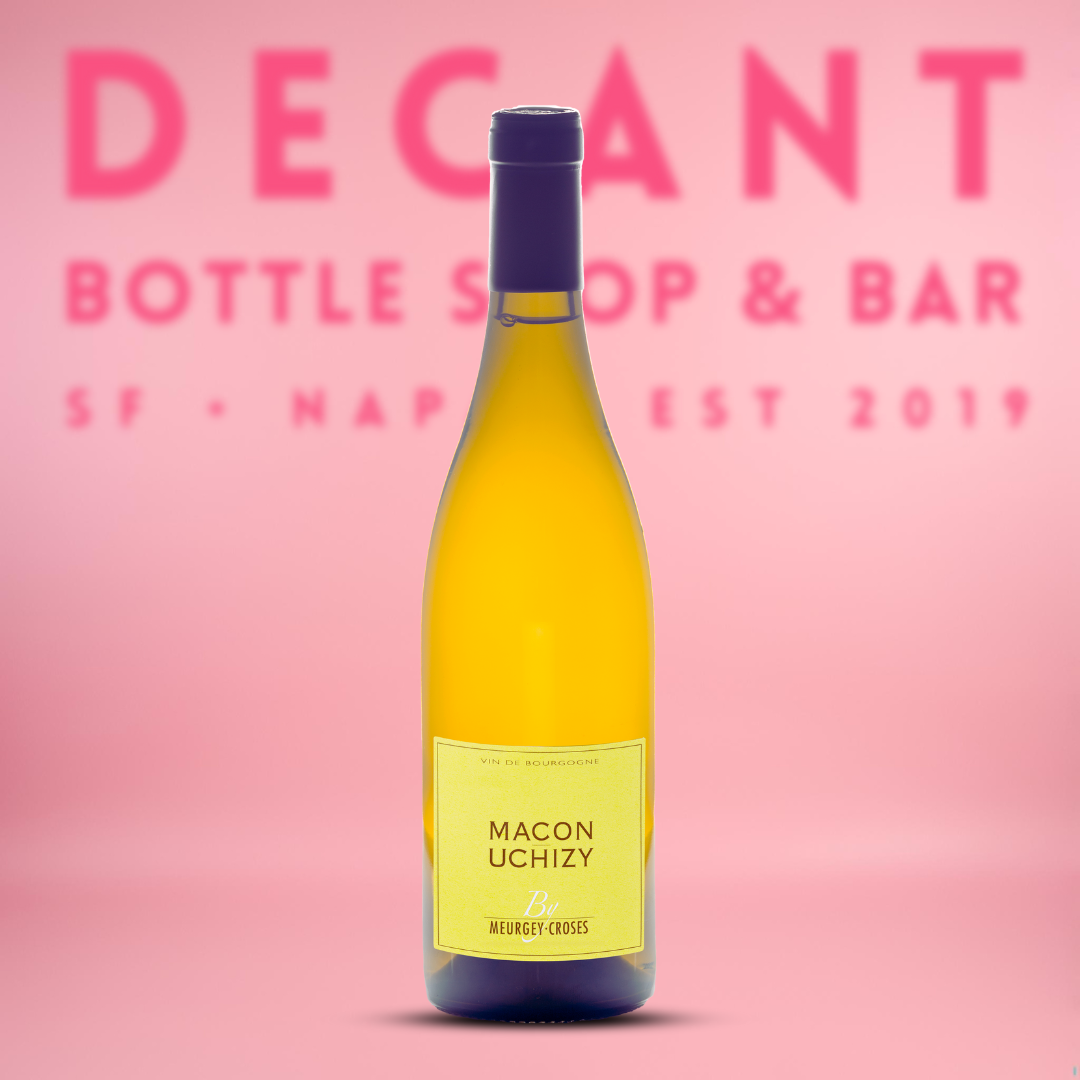
Meurgey-Croses is a project led by Jean-Pierre and Paul Meurgey, dedicated to producing classic white Burgundy from the Mâconnais. Focused on purity and precision, the wines are crafted from sustainably farmed vineyards and vinified with minimal intervention to highlight the terroir of each village. The Uchizy bottling comes from a limestone-rich commune in the northern Mâconnais, known for vibrant, mineral-driven Chardonnay.
WINEMAKER: Paul Meurgey
FARMING: Sustainable (Terra Vitis certified)
VARIETY: 100% Chardonnay
TERROIR: Uchizy is located in the northern Mâconnais on limestone-rich clay soils; east-facing slopes benefit from morning sunlight and cool breezes, preserving acidity and promoting elegant fruit expression.
VINIFICATION: Fermented in stainless steel at controlled temperatures to retain freshness and aromatics; no malolactic fermentation.
AGING: Aged in stainless steel on fine lees for several months before bottling.
TASTING NOTES: Crisp and expressive, with aromas of lemon peel, green apple, white flowers, and crushed stone. The palate is sleek and lively, showing bright citrus, subtle salinity, and a clean, mineral finish.
FOOD PAIRINGS: Oysters, roast chicken, goat cheese tart, or grilled asparagus with lemon butter.
From Our 2025 Bottle Cult Notes:
I’m always saying we need to drink more, better Chardonnay. I literally produced a class
called Shut the F%ck Up And Drink Chardonnay. This is the type of Chardonnay I was talking about, and I’m stocking up as it just became my new summer house wine.
This bottle comes from Uchizy, one of the select villages in the Mâconnais allowed to tack its name onto the broader Mâcon AOC on the label. That naming privilege is tied to quality and distinctiveness—Uchizy, like a few other villages (Viré, Lugny), has long been recognized for producing Chardonnay that’s a cut above. The vineyards here sit on gently rolling limestone slopes just south of Tournus, with enough altitude and breeze to keep things fresh. So while the fruit is ripe and expressive, as one expects from Southern Burgundy, the wines stay bright and mineral. Exactly what we want from a summer white.
The winemaker, Pierre Meurgey, is about as Burgundy as it gets—he’s fourth-generation,
with family roots in both Beaune and the Mâconnais. For his Meurgey-Croses line, which focuses entirely on the Mâcon region, Pierre works closely with one grower in each village. He oversees everything from vineyard practices to harvest to vinification. In a modern cellar, he prioritizes freshness and purity over flash—fermentation is done in stainless steel, and while the wine goes through full malolactic fermentation, there’s no oak aging. That’s why we have this Chardonnay that feels round, clean, lifted, and completely unadorned.
The burst of crisp lemon, green apple, and a bit of white peach is rounded out by soft
floral notes and a hint of wet stone. There’s just enough creaminess to give it shape, but the finish is dry, snappy, and super refreshing. Pop this bottle with whatever's in season— grilled trout with herbs, roast chicken and spring veg, or a salad with goat cheese and peaches. It's also perfect for “just a glass” before dinner (or before bed, or before fighting fascism on Instagram, you know, whatever you get up to at home).
This is wine without the ego but full of expertise, and a great reminder that you don’t have to spend big to drink great Burgundy—or great Chardonnay, for that matter. Uchizy delivers character and charm without pretense, and this one’s staying stocked in my fridge all summer long! —Cara Patricia, DECANT Co-Founder
Bedrock Wine Co. Cabernet Sauvignon, Sonoma County 2022 is a beautifully crafted wine that balances elegance and power. Sourced primarily from the cooler Lazy Dog Vineyard near the Carneros and Sonoma Coast AVA border, this Cabernet showcases the hallmark fruit intensity of Sonoma County.
From our April 2024 Quarterly Cellar-Builder Club:
Bedrock Wine Co. Cabernet Sauvignon, Sonoma County, California 2022
Morgan Twain-Peterson, MW (Master of Wine), is a prominent figure in the California wine scene, well-known for his deep historical knowledge of vineyards and his passionate commitment to preserving and celebrating old vines. He’s been around serious winemaking his entire life, born to the legendary Joel Peterson, founder of Ravenswood. Bedrock Wine Co. was established in 2007, and since then, Morgan has focused on working with old vines, some dating back to the 19th century, and rare vineyard sites throughout California. His work often involves rehabilitating old vineyards, which he believes are an essential part of California’s viticultural heritage. As the founder of Bedrock Wine Co., Morgan has made a significant impact by producing wines that reflect the rich heritage and diverse terroir of California. His academic approach to farming is rooted in respect for the earth and a commitment to sustainability.
The 2022 Cabernet Sauvignon is born from the union of two storied vineyards in Sonoma: Monticello and Monte Rosso, both planted in the 1970s. These sites are celebrated for their distinct soil composition and microclimates, which contribute to the wine’s complexity. Monticello's lush, fruit-driven character complements Monte Rosso's renowned volcanic soils, imparting a mineral edge that enhances the wine's structure and depth. Sonoma Valley, known for its varied microclimates and soil types, provides an excellent backdrop for Cabernet Sauvignon. The cooler climate and diverse terroir contribute to a style of Cabernet that is often more nuanced and elegantly structured than those from warmer regions.
True to Morgan's philosophy, the vinification process is marked by a focus on sustainable farming practices and minimal intervention in the cellar. Hand-harvested grapes undergo native yeast fermentation, emphasizing the complex and nuanced flavors of the vineyards’ natural terroir. Gentle pump-overs are employed, which is a technique involving moving the fermenting juice from the bottom of the tank over the cap of grape skins that forms at the top, extracting color, flavor, and tannins softly, without over-extraction, which helps maintain balance and finesse.
The 2022 Bedrock Cabernet Sauvignon is a superb example of what we mean when we talk about “balance” in wine. There is no struggle between being both powerful and elegant. The palate is rich with vibrant black and red fruit notes, like fresh black plum, blackberry compote, and juicy raspberries, underpinned by cooling herbal nuances and a distinctive graphite-like mineral streak and firm but integrated tannins. A wine like this calls for a juicy grilled lamb burger topped with blue cheese, rootbeer glazed pork shoulder, or Texas-style smoked brisket with all the fixings. — Cara Patricia
Along the steep, narrow valley that traces the northern Rhône, the appellations of Côte-Rôtie, Condrieu and Saint-Joseph take their place among the great wines of France, and Domaine Faury is one of the region’s most artisanal producers. When Philippe Faury took over the domaine in 1979, the family was selling wine, peaches, and cherries, and the bulk of their clientele was local. Over the years, Philippe expanded their holdings to over eleven hectares and expanded sales to an international client base. In addition, he has shared his savoir-faire with his son, Lionel. Since 2006, Lionel has taken over the reins at Domaine Faury, though father and son still work side by side.
This wine is named for the Le Mornieux, a small stream that runs just below this parcel of Condrieu Viognier.
Daniele Dinoia founded Villa Guelpa to create wines that express the rich and varied soils across his four hectares of vineyards in Alto Piemonte. He and his sons organically farm primarily Nebbiolo, Vespolina, and Erbaluce.
The mild and foggy winter brought nature to an early awakening which was heavily punished by a couple of frosts in April which put a strain on shoots and, in some cases, compromised their development. The very hot (since June) and very dry summer (with very little rain) certainly did not help from the point of view of development and therefore production. After 7 consecutive months with temperatures higher than usual, we finally had a cool and dry September with some storms which helped the perfect ripening of the few grapes we harvested and which will bring us more concentrated, important, and long-lived wines.
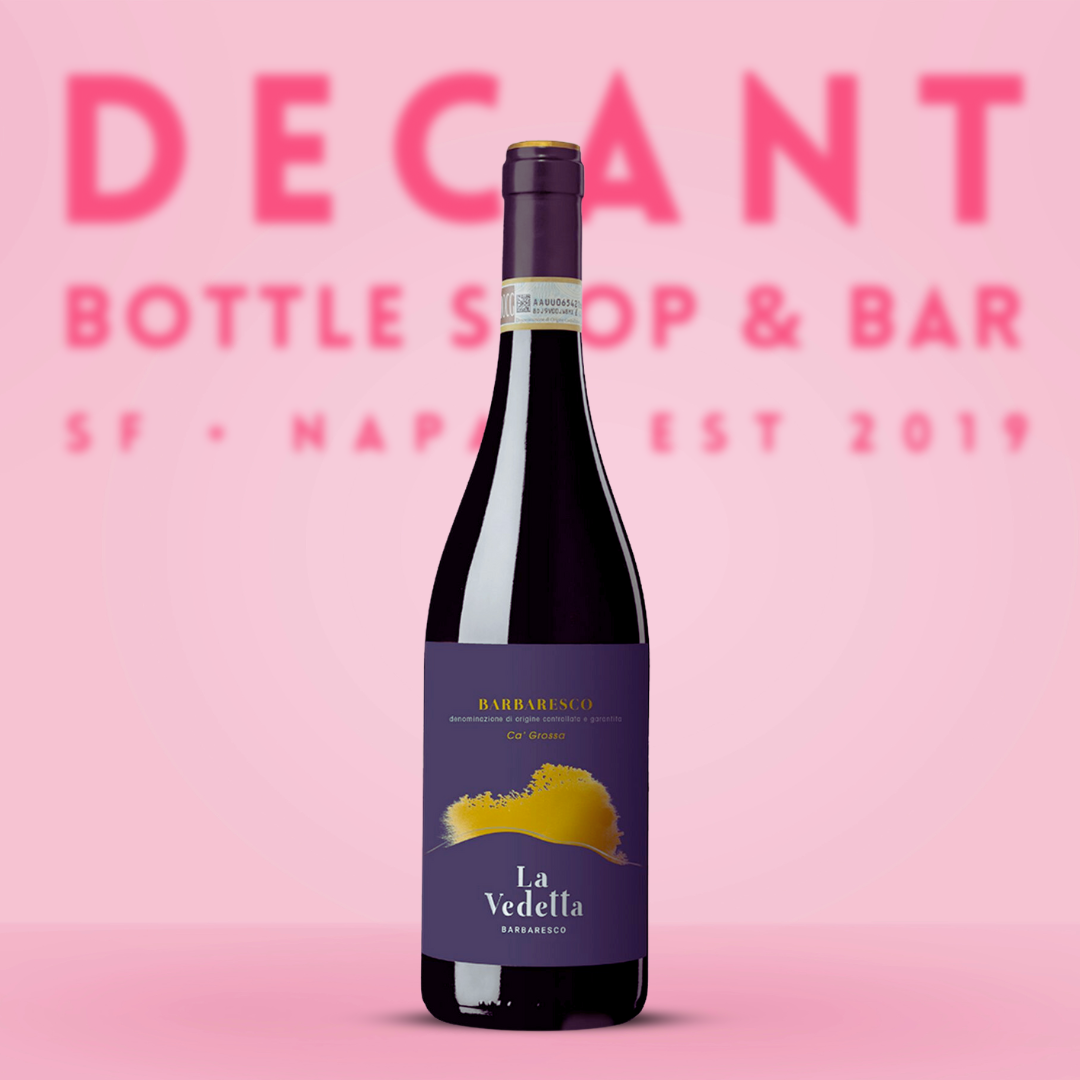
Located just 3 KM west of the town of Barbaresco is La Vedetta, a small 3.5 HA winery dedicated solely to Nebbiolo. While studying and working abroad, Marco Viglino watched his beloved home of the Langhe transform from a provincial community into a world-class UNESCO World Heritage Site. Wanting to ensure that his family land and vines would also remain a Home for him in is future, Marco and his partner Swantje, whom he met while abroad in Germany, returned to Tre Stella in 2016 and began La Vedetta.
From our Q2 Full Case bottle club notes:
La Vedetta | ‘Ca Grossa’ Barbaresco | Piemonte, Italy | 2017
Marco Viglino spent years abroad working in the corporate world, but after the wine boom that occurred in Piedmont in the 2000s, he embraced his heritage and decided to continue his family’s winemaking tradition in Barbaresco. La Vedetta (“the high peak”) is his passion project, created alongside his partner Swantje whom he met while working abroad in Germany. Together, they have quickly turned La Vedetta into a standout winery. The winery is tiny— only 10,000 bottles total production — split between a few bottlings. In the grand scheme, Marco & Swantje are barely on the radar of most US sommeliers, so we were very lucky to find them early.
2017 is Marco and Swantje’s first ever Barbaresco vintage, and take our word for it—it is STUNNING. As Nebbiolo lovers, we are beyond impressive that this is their inaugural bottling of the ‘Cà Grossa’ cru. This single vineyard, planted with 30 year old vines, sits at the heart of La Vedetta’s Nebbiolo holdings. The soil composition in Cà Grossa (marly limestone, with a hefty serving of sandstone) helps to create richly aromatic and finessed Nebbiolo, giving off soft aromas of rose water, wet tobacco and sweet red cherries. The wine is fermented in stainless steel before aging in 700-litre oak tonneaus for about 20 months. Bottling takes place in summer.
On the palate, the wine packs a punch of super fine tannins, which is difficult to find in such a young Barbaresco. With just a bit of decanting, this Barbaresco is highly open and expressive right out of the gate; the lingering acidity, though, assures us that this wine has so many years of life ahead of it, and will age well for 10-15 years.
—Simi Grewal
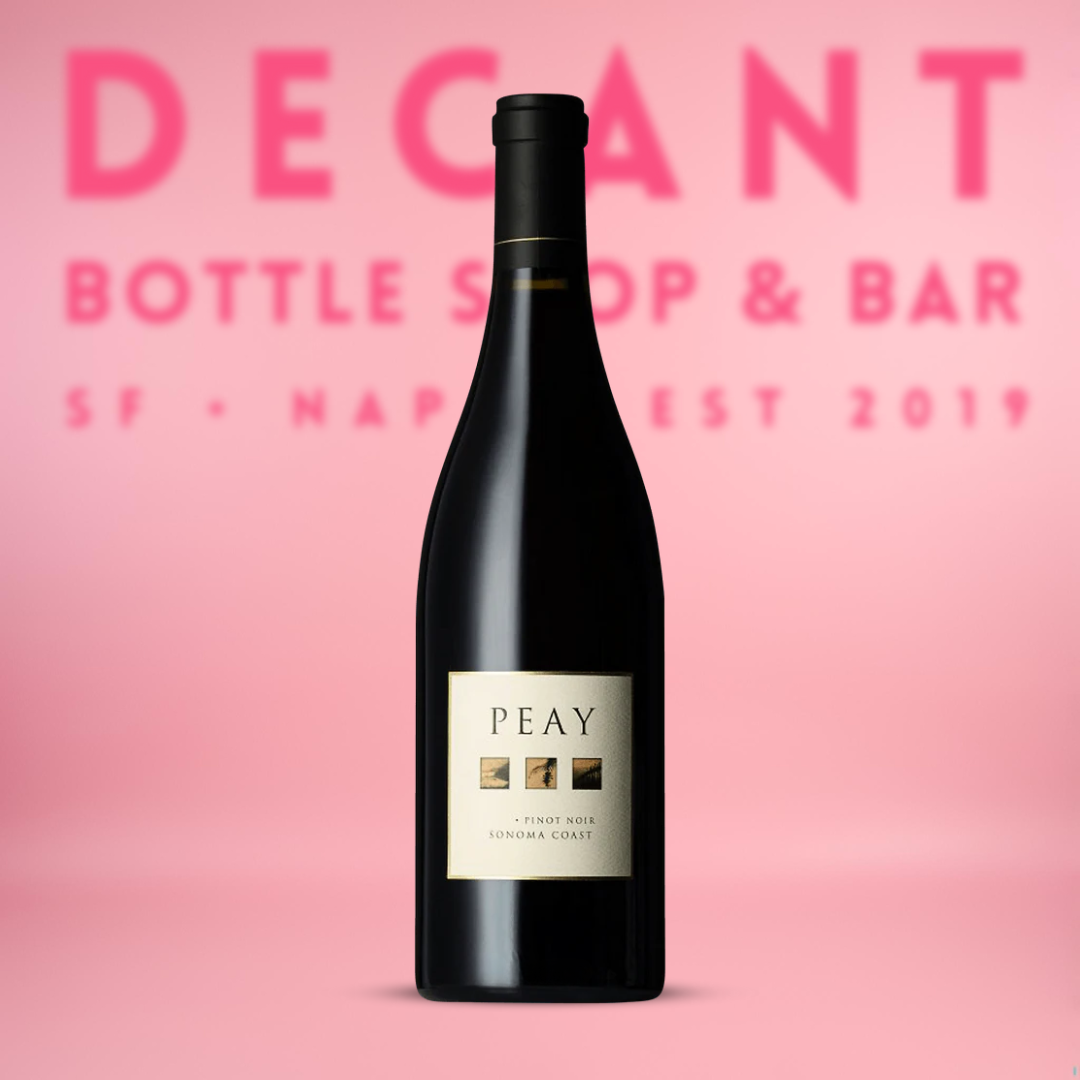
Based in the west Sonoma Coast, Peay Vineyards focuses on terroir-driven, single variety wines that underscore the beautiful expressions of the coastline's rugged terroir.
Domaine Franck Balthazar was founded in 1931. Managed since 2002 by Franck, who succeeded his father René (who had been in charge since 1950 and supervised the transition to estate bottling in the 1970s). The estate has grown from 2 hectares in 2002 (1 hectare of century-old vines in Chaillot and 1 hectare of vines around 50 years old in Mazard) to around 3.5 hectares today. Plantings on a steep site above Sabarotte were added in 2005 and 2008 on newly formed terraces. Franck Balthazar's objective is to maintain the traditional approach of his grandfather, Casimir. The Casimir 2021 vintage, named in honor of Grandfather Casimir, comes from old Syrah vines on the granite soils of Mazar in Cornas.
ArPePe stands as one of Italy’s most revered mountain Nebbiolo producers, celebrated for long élevage, traditional fermentations, and a patient, old-school philosophy that privileges nuance, perfume, and alpine minerality over power. In the steep terraces of Valtellina, they craft wines of haunting delicacy and longevity — and 'Nuova Regina' is a pinnacle expression from the Sassella subzone.
WINEMAKER: Isabella Pelizzatti Perego and Emanuele Pelizzatti Perego, continuing the family’s legacy of crafting traditional Nebbiolo wines
FARMING: Practicing organic; steep terraced vineyards farmed by hand
VARIETY: 100% Nebbiolo (Chiavennasca)
TERROIR: Steep granite and schist terraces in the Sassella cru of Valtellina; extreme alpine viticulture at high elevation with dramatic diurnal swings; thin, rocky soils emphasizing purity, tension, and lifted aromatics.
VINIFICATION: Native fermentation; extended maceration in traditional wooden tini; gentle, long extraction for fine tannin and aromatics.
AGING: Extended aging in large neutral Slavonian oak botti, followed by significant bottle aging prior to release.
TASTING NOTES: Ethereal mountain-Nebbiolo character with dried cherry, rose petal, alpine herbs, and delicate spice; silky yet firm tannins, crystalline acidity, and a long, mineral-etched finish marked by incense, stone, and subtle earth.
FOOD PAIRINGS: Porcini risotto, braised rabbit, venison with juniper, alpine cheeses, saffron polenta with wild mushrooms.
Giovanni Montisci is a fiercely independent grower in Mamoiada whose tiny estate and deeply traditional methods—organic farming, spontaneous fermentations, and minimal cellar intervention—have made him one of Sardinia’s most compelling artisan voices. “Barrolu,” born from a handful of Nebbiolo rows discovered among old Cannonau vines, offers a singular meeting of Alpine grape and Mediterranean mountain terroir.
WINEMAKER: Giovanni Montisci
FARMING: Practicing organic, natural vineyard management with very old vines cultivated in granite soils and worked with minimal mechanization.
VARIETY: 100% Nebbiolo
TERROIR: High-elevation vineyards around Mamoiada rooted in decomposed granite, lending structure, minerality, and aromatic lift to this rare Sardinian expression of Nebbiolo.
VINIFICATION: Fermented with indigenous yeasts following a low-intervention philosophy, without clarification or filtration and with only minimal sulfur use.
AGING: Aged for approximately two years in large Slavonian oak botti, allowing gradual evolution while preserving purity of fruit and site.
TASTING NOTES: Intensely aromatic with red fruit, wild herbs, and Mediterranean scrub, the palate is fresh and savory with vibrant tannin, mineral tension, and layered notes of berries and spice that convey both Nebbiolo’s structure and Sardinia’s rugged landscape.
FOOD PAIRINGS: Roast meats, game, aged cheeses, and traditional Sardinian pork dishes complement the wine’s tannic frame and savory depth.
Domaine Génot-Boulanger, led by Guillaume Lavollée and Aude Lavollée, focuses on producing elegant, terroir-driven wines from across the Côte de Beaune.
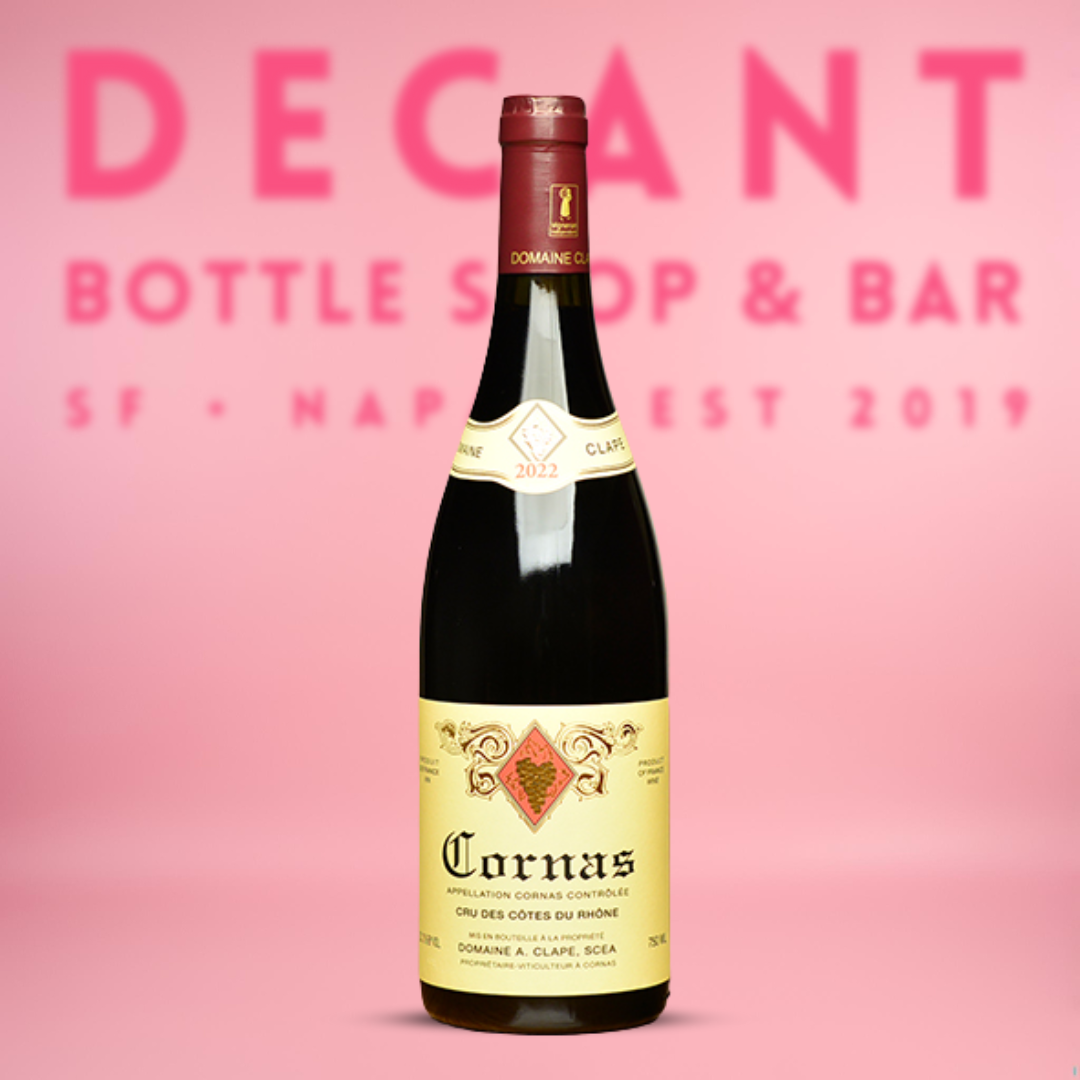
Domaine Clape is one of the most iconic and revered names in Cornas and the Northern Rhône, widely credited with preserving the region’s reputation for uncompromising, age-worthy Syrah. Founded by Auguste Clape and now run by his son Pierre-Marie and grandson Olivier, the estate is known for its steadfast adherence to traditional methods, including whole-cluster fermentation and long élevage in old foudres. Clape’s wines are celebrated for their power, structure, and unmistakable sense of place.
WINEMAKER: Pierre-Marie and Olivier Clape
FARMING: Practicing Organic (non-certified)
VARIETY: 100% Syrah
TERROIR: Sourced from some of Cornas’ most esteemed granitic slopes, including Reynard, Sabarotte, and Mazards. These steep, terraced vineyards face southeast and benefit from warm days and cool nights, yielding concentrated yet balanced fruit.
VINIFICATION: 100% whole-cluster fermentation with native yeasts in concrete vats; no destemming. Fermentation is long and traditional, emphasizing structure and terroir expression.
AGING: Aged 22 months in large, old oak foudres to preserve purity and allow slow evolution. Bottled unfiltered.
TASTING NOTES: Intense aromas of blackberry, smoked meat, cracked pepper, and graphite. The palate is dense and muscular, with tightly woven tannins, dark fruit core, and a long, savory, mineral-driven finish. Built for the cellar, but can be approached young with a long decant.
FOOD PAIRINGS: Perfect with grilled lamb, braised short ribs, black lentils, or dry-aged steak.